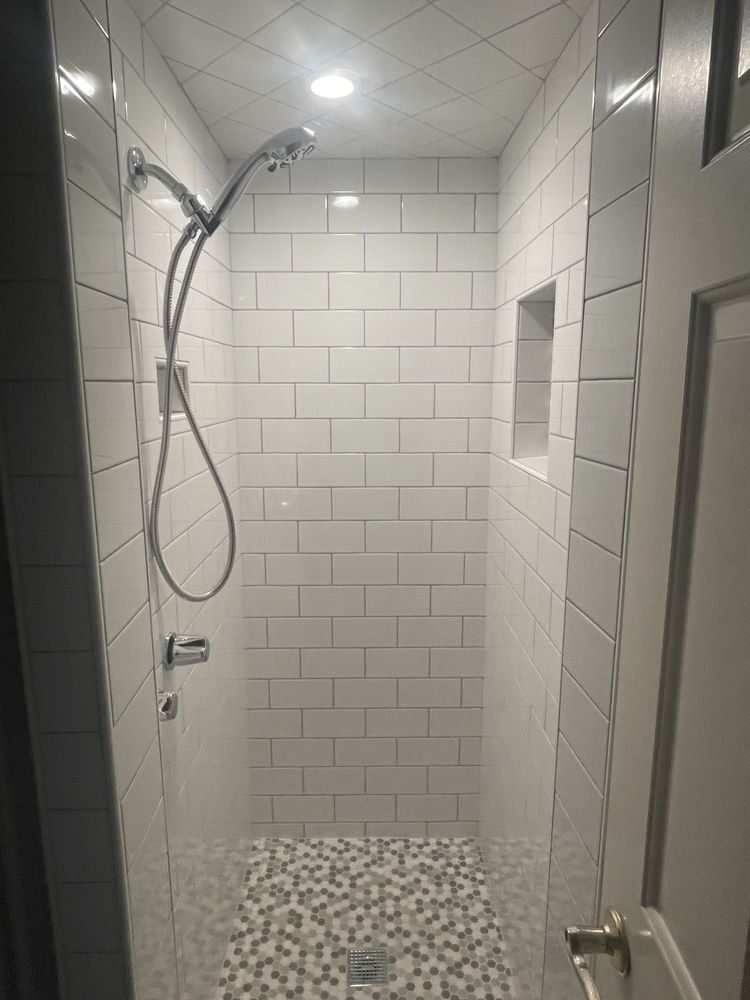
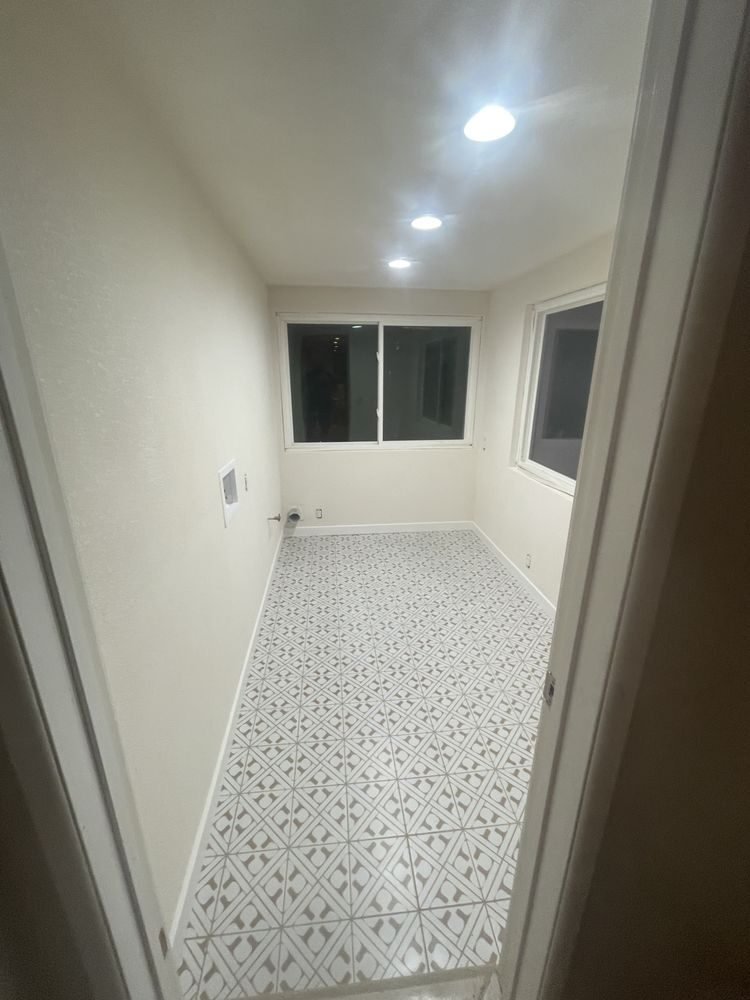
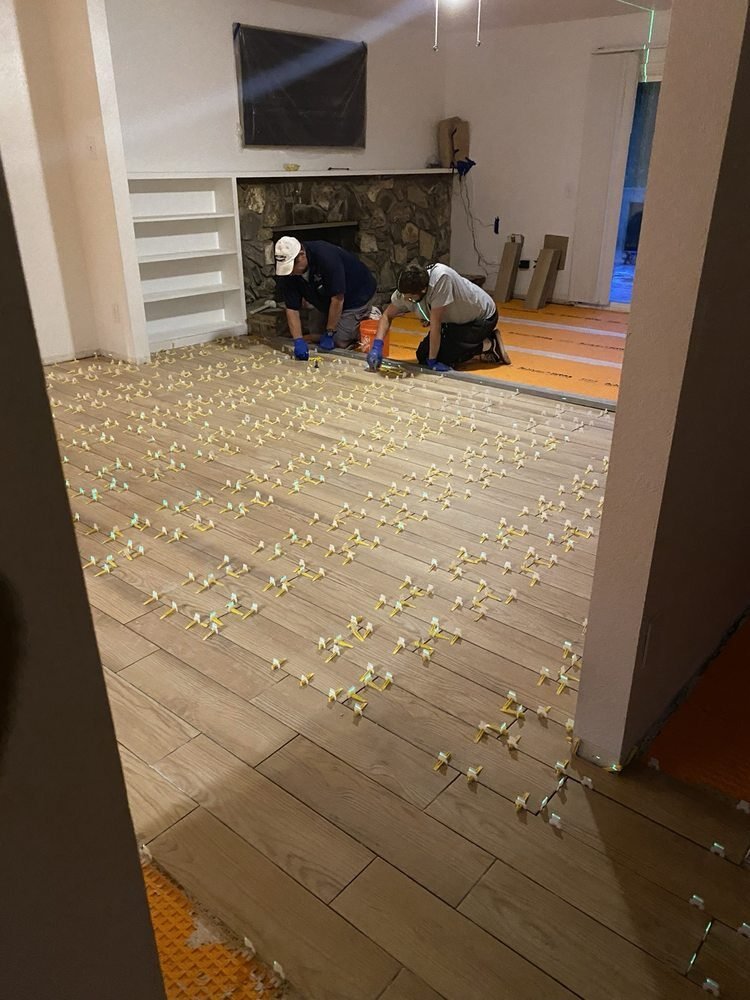
Most tiled showers run about a week to two of on-site work once demo starts, plus cure times before first use. Glass enclosures usually add a separate measure-and-fabricate wait after tiling. Hidden damage, special-order tile, and complex patterns are what stretch the window.
The second question every shower client asks — right after cost — is how long they will be without their bathroom. It deserves a straight answer, so here is the honest industry picture, phase by phase, drawn from the custom showers our father-and-son crew has built around Riverside, Corona, and Moreno Valley over 40 years. The short version: the tile you see going up is the fast part. The schedule is really governed by the steps you cannot rush — waterproofing and cure times — and by what demolition finds.
What Is the Typical Shower Remodel Timeline?
As a typical industry range, a straightforward tub-to-shower conversion or shower replacement occupies roughly one to two weeks of working days once demolition begins. That covers demo, substrate and waterproofing, tile setting, and grout. It does not include the lead-up — design, tile selection and delivery, and permits where needed — or the tail: final cure days and, for frameless enclosures, the glass fabrication wait.
Those ranges are honest averages, not promises. Every bathroom starts the clock with different plumbing, framing, and tile choices, which is why we give clients a written schedule for their specific project at the estimate stage rather than quoting a universal number. Larger bathroom overhauls that go beyond the shower itself into floors and wainscots run longer for obvious reasons.
It also helps to think of the project as three separate clocks. The first is the planning clock — selections, ordering, and scheduling — which can run for weeks but costs you nothing in bathroom downtime. The second is the construction clock described above, the only stretch when the room is genuinely out of commission. The third is the finishing clock: cure days and the glass wait, during which the bathroom is messy-free and mostly usable. Families with a single bathroom should plan hardest around the second clock, and a good installer will compress it by front-loading every decision into the first.
What Happens in Each Phase?
| Phase | Typical duration | What's happening |
|---|---|---|
| Demolition | 1 day, sometimes 2 | Old tile, backer, and pan out; framing and plumbing inspected |
| Substrate & plumbing | 1–2 days | Framing corrections, valve/drain work, backer board |
| Waterproofing | 1–2 days + cure points | Sloped pan, membranes, sealed corners — flood test where used |
| Tile setting | 2–4 days | Walls, floor, niches, benches; thinset cures ~24–48h before grout |
| Grout & seal | 1 day + cure days | Grout, caulk transitions, sealing where the grout type needs it |
| Glass enclosure | 1–2 weeks after tile | Measured off finished walls, fabricated, then hung in hours |
Notice how much of the calendar is not tile-setting. Demolition through waterproofing is where the shower's lifespan is determined — the reasons that stage dominates good bids are covered in what drives the cost of a custom shower — and the cure points scattered through the schedule are chemistry, not padding.

Why Can't Cure Times Be Rushed?
Thinset mortar generally needs about 24 to 48 hours before the tile can take grout, and grout needs its own days before regular soaking. Waterproofing membranes have cure windows before they can be flood-tested or tiled over. None of this responds to urgency — the products need the time their chemistry needs, in the conditions the room provides. Cool, humid days stretch cures; our dry Inland Empire summers help.
A schedule that ignores cure windows is not faster, it is riskier: grout applied over green thinset can shift and crack, and tile set on an uncured membrane can compromise the bond you paid for. When two bids differ by a couple of days, the longer one is often the one respecting the chemistry.
What Makes a Shower Remodel Run Longer?
- What demo uncovers. Rot, mold, or dated plumbing behind the old walls must be corrected before anything else proceeds. This is the single biggest source of added days — and the least negotiable.
- Special-order tile. If your tile ships from a distributor, the clock cannot start until it arrives — and having it on site before demo is the cheapest schedule insurance there is.
- Complex patterns and built-ins. Herringbone, mosaics, mitred niches, and benches add setting days, as does large-format tile on walls that need flattening first.
- Scope growth. "While we're at it" is how a shower becomes a full bathroom remodel — often worth doing, but worth re-scheduling honestly.
- Trade handoffs. Plumbing changes, electrical for lighting or steam, and glass fabrication each involve another party's calendar.
What Keeps a Remodel on Schedule?
Decisions made early, materials on site, and one crew that owns the job. Choose your tile, niche locations, and fixtures before demo day, so no one is waiting on a showroom trip mid-project. Have everything delivered ahead of the start date. Then hire an installer who does this daily: an experienced tile crew sequences waterproofing cures overnight and orders glass measurement the moment grout is done, so no calendar day is wasted twice. It is also, frankly, the strongest argument against DIY on this particular job — a first-timer's shower stretches from two weeks toward two months, as we covered in tile work you can DIY.
JM Custom Tile and Stone builds custom showers as its flagship service across Riverside, Corona, and Moreno Valley — licensed (CSLB #649040, C-54), every crew member a tile specialist, all work guaranteed, and your house left cleaner than we found it. Ask for a free estimate and you will get a written phase-by-phase schedule with it.
Shower Timeline Questions
Can I use my shower during the remodel?
Not the one being remodeled — it is out of service from the first day of demo until grout and sealant have cured. Households with a second bathroom barely notice; households with one bathroom should talk through the schedule with their installer up front so the no-shower window is as short and predictable as possible.
How soon after grouting can I use the new shower?
Most cement grouts want a few days to cure before regular soaking, and silicone at the corners and glass needs its own cure time. Your installer will give you a date based on the specific products used. Using the shower early is one of the few ways a homeowner can undo good work, so hold the line on that last day or two.
Why does the glass door take so long to arrive?
Frameless glass is custom-fabricated to the finished shower, so the fabricator cannot measure until tile is set and grouted. After measurement, cutting and tempering the panels typically takes a week or two. The wait is a fabrication reality rather than a scheduling failure — and the shower itself is usually usable in the meantime with a temporary curtain.
Does a bigger shower take proportionally longer?
No — a shower twice the size does not take twice the time. Demo, waterproofing cure points, and grout curing happen once regardless of size. What stretches a schedule is complexity: intricate patterns, niches and benches, curbless entries, and whatever demolition uncovers behind the old walls.