The short answer: choosing the right tile comes down to three factors — the room's moisture level (bathrooms need porcelain or ceramic), its traffic patterns (busy floors need harder materials like porcelain), and your design preferences for color, texture, and pattern. Get those three right and the tile takes care of itself.
Tile is one of the few finishes in a house that should outlast the people picking it. That is exactly why the choice deserves more thought than "which sample looked best under showroom lights." JM Custom Tile and Stone has walked Riverside homeowners through this decision for 40 years and more than 1,500 projects, and the conversation always follows the same order: material first, room second, size and grout last.
What Are the Different Types of Tile Materials?
Ceramic Tile
Ceramic tiles are made from clay fired at lower temperatures. They're an excellent choice for walls, backsplashes, and low-traffic floor areas. Ceramic is more affordable than porcelain and comes in one of the widest ranges of colors, glazes, and hand-made looks in the business — which is why it dominates kitchen backsplash work.
Porcelain Tile
Porcelain is denser and more durable than ceramic, making it ideal for high-traffic floors, outdoor patios, and commercial spaces. It's fired at higher temperatures, resulting in a harder, more water-resistant material — by definition, porcelain absorbs less than 0.5% of its weight in water — that's perfect for Riverside's climate swings. The two materials look nearly identical on the shelf, so we wrote a full porcelain vs. ceramic comparison covering the specs that separate them.
Natural Stone
Natural stone tiles including marble, granite, slate, and travertine offer unique, one-of-a-kind patterns. Each piece is different, creating distinctive installations. Stone requires more maintenance — pH-neutral cleaners only, and resealing once water stops beading on the surface — but provides an elegance no printed tile fully imitates. See our natural stone work for what marble surrounds and stone decks look like installed.

Which Tile Works Best in Each Room?
Kitchen
For kitchen floors, choose porcelain tiles rated for heavy foot traffic — chairs, dropped pans, and daily mopping are exactly what a dense PEI 4 glaze is built for. For backsplashes, ceramic, glass mosaic, or natural stone all work beautifully. Prioritize easy-to-clean surfaces in food prep areas; a heavily textured tile behind a range collects grease in every groove.
Bathroom
Bathrooms need water-resistant materials. Porcelain is our top recommendation for shower walls and floors. Use smaller tiles (2×2 or smaller) on shower floors for better slip resistance through increased grout lines — the mosaic also lets the pan slope properly to the drain, something large tile physically cannot do. Our bathroom tile projects almost always pair a porcelain floor with lighter ceramic walls.
Entryways
High-traffic entryways in Riverside homes take a beating from grit, dust, and the occasional rainy-season mud — fine debris tracked in from our dry summers acts like sandpaper underfoot. Choose durable porcelain with a textured or matte finish for slip resistance when the first winter storms finally arrive.
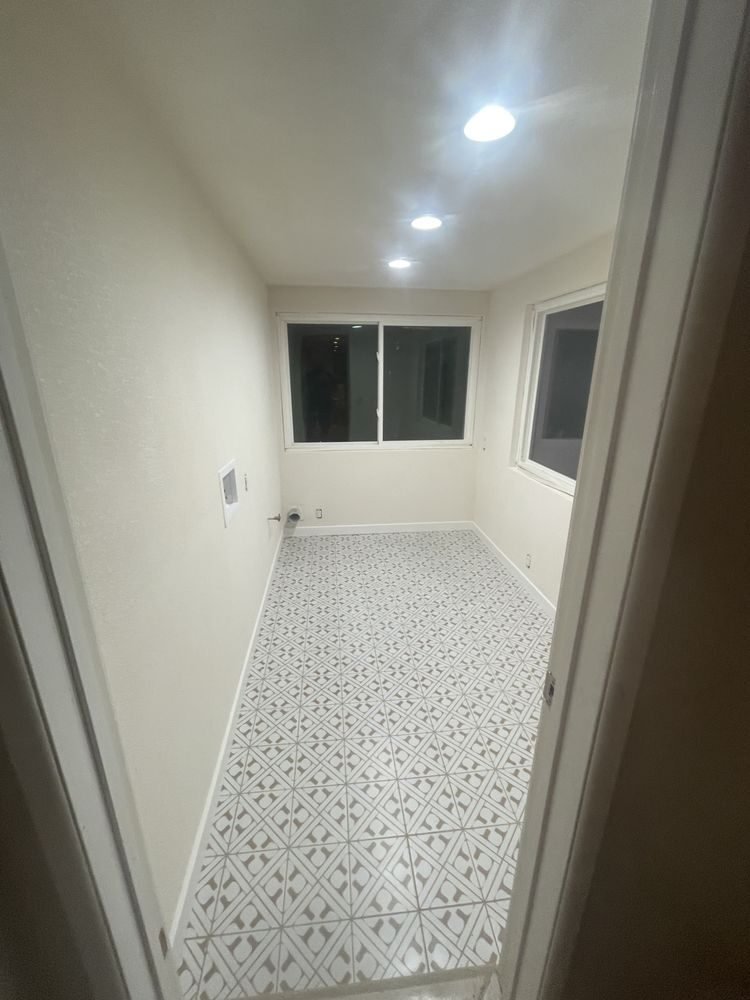
For a deeper room-by-room walkthrough — living areas, laundry rooms, and outdoor spaces included — see our guide to what tile to use in each room.
Does Tile Size Matter?
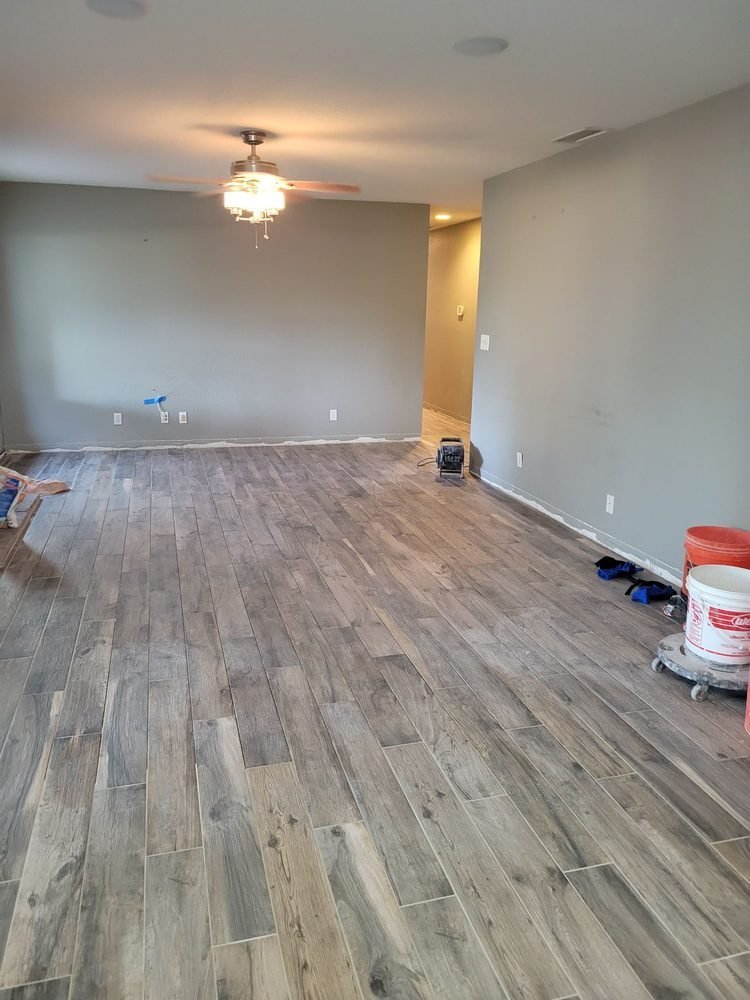
Large format tiles (12×24 and larger) create a modern, spacious feel with fewer grout lines. Smaller tiles work better in compact spaces and on shower floors where you need more traction. Size also changes the installation itself: big tile demands a genuinely flat substrate and back-buttering to avoid hollow spots and lippage, while mosaics follow curves and slopes that large tile cannot. As a starting point, match the scale of the tile to the scale of the room — then let the substrate have a vote.
How Should I Choose Grout Color?
Your grout color dramatically affects the final look. Matching grout creates a seamless appearance, while contrasting grout emphasizes the tile pattern. For wet areas, always use epoxy grout or grout with mold-resistant additives — epoxy costs more up front but resists stains and never needs sealing. Whichever you choose, grout is the part of the floor you will actually maintain, so read our guide on cleaning grout and knowing when to reseal before you pick bright white for a busy hallway.
What Should I Budget for Tile Installation?
Quality tile installation is an investment that increases your home's value. While ceramic is budget-friendly, porcelain's durability often makes it more cost-effective long-term — a floor that never needs replacing is the cheapest floor you will ever own. Natural stone commands a premium but delivers unmatched character. Wherever the budget lands, put the money in the prep and the setting before the tile itself; the material takes the credit, but the installation determines whether it lasts.
Need Help Choosing the Right Tile?
JM Custom Tile and Stone has helped hundreds of Riverside homeowners select the perfect tile for their projects. We'll visit your home, assess your needs, and recommend materials that match your style and budget. We're a father-and-son team, every crew member is a tile specialist, all work is guaranteed, and we leave the house cleaner than we found it — CSLB #649040.
Tile Selection: Common Questions
What is the most durable type of tile?
Porcelain, by a wide margin. It is fired denser than standard ceramic, absorbs less than 0.5% water, and carries the highest wear ratings, which is why it is the default recommendation for floors, showers, entryways, and anything outdoors. Ceramic and natural stone both have their place — just usually not on the busiest floor in the house.
Is natural stone hard to maintain?
It asks more of you than porcelain, but the routine is simple: pH-neutral cleaners only (never vinegar or acidic products, which etch stone), and periodic resealing when water stops beading on the surface. In exchange you get a one-of-a-kind surface no printed tile fully matches.
Can large-format tile work in a small room?
Yes — often better than small tile. Fewer grout lines make a compact bathroom read larger and calmer. The real constraints are practical: large tile needs a flat substrate, and shower floors still need small mosaic tile so the surface can slope to the drain and offer grip underfoot.
What grout color hides dirt best?
Mid-tone grays and taupes are the most forgiving on floors — white grout shows soil and dark grout can fade unevenly. Match the grout to the tile when you want the surface to read as one piece; contrast it when you want the pattern to pop. In wet areas, ask about epoxy grout, which resists stains and never needs sealing.